Source Fish Farming Pond Tanks and Nets for Aquaculture
Find 30 verified products for Fish Farming Pond applications including tanks, nets, and accessories. Compare specifications, certifications, and prices from suppliers in China to find the right equipment for aquaculture operations.
Key considerations
Products List


Plastic PVC biofloc aquaculture tank fish farming tarpaulin pond for sale
$145.00 - $150.00
MOQ: 10 Pieces

Hot plastic PVC biofloc aquaculture tank fish farming tarpaulin pond for sale
$145.00 - $150.00
MOQ: 10 Pieces

Collapsible Round Or Rectangular Fish Farming Ponds ,Fish Breeding Tank For Fish
$145.00 - $150.00
MOQ: 10 Pieces
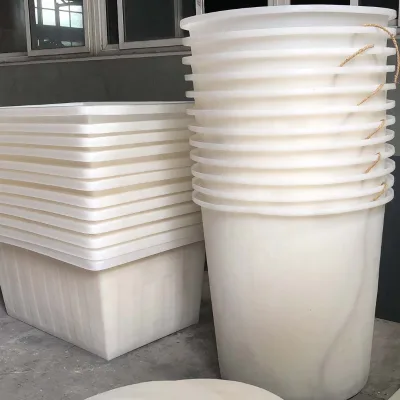


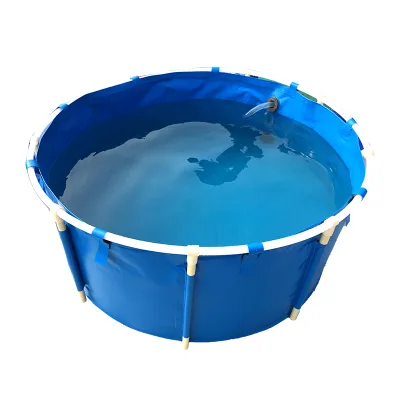

Flexible Storage Water Tank 30000L Fish Farming Pond Tanks
$0.98 - $1.03
MOQ: 5000 Square Meters
Shijiazhuang Jinze Plastic Tarpaulins Manufacturing Co., Ltd.


Comprehensive Sourcing Guide
Strategic Sourcing Guide for Fish Farming Pond Infrastructure
Procuring infrastructure for fish farming ponds requires a rigorous approach that balances technical durability, regulatory compliance, and long-term operational efficiency. The market for aquaculture solutions is vast, ranging from simple containment nets to complex, custom-engineered water storage and treatment tanks. Buyers must navigate a landscape where product attributes vary significantly between suppliers, often mixing data points for different product categories such as fire water tanks, aquariums, and specialized fishing nets. This guide provides a structured framework for evaluating potential suppliers and selecting the right equipment for fish farming operations, relying strictly on verified product attributes and established industry standards.
Technical Specifications and Material Composition
The foundation of any successful fish farming operation lies in the physical integrity of the containment and handling systems. When sourcing ponds or related infrastructure, buyers must scrutinize the material composition and dimensional specifications. The market offers products with varying wall thicknesses and surface treatments that directly impact longevity and water quality. For instance, certain high-performance tanks feature a wall thickness of 16mm, which is critical for structural stability in large-scale applications. Conversely, flexible containment solutions, such as coated fabrics, may have a thickness ranging from 1.0mm to 1.5mm.
Surface formation is another critical technical parameter. Products utilizing a PVC coating on the surface are common in the industry, offering a smooth, glossy finish that is inert and anti-adhesive. This characteristic ensures that the interior surfaces are easy to clean, preventing the buildup of algae or biofilm that could compromise water quality. The chemical resistance of these materials is paramount, with some specifications noting a pH tolerance range of 1-14, indicating suitability for a wide variety of water conditions and treatment chemicals.
Dimensional flexibility is often a requirement for fish farming facilities. While some standard models exist, many suppliers offer sizes as custom designs to fit specific site constraints. Buyers should verify if the supplier can accommodate large sizes or specific volume requirements, as some product lines list volumes ranging from 100L to 100,000L. Additionally, the formation of the product, such as square or hexagon shapes for nets, must align with the hydrodynamic needs of the specific fish species being farmed.
Compliance, Certification, and Safety Standards
Navigating the regulatory landscape is essential for international procurement. Different product categories within the aquaculture sector are subject to varying certification requirements. Buyers must verify that the specific items they intend to purchase carry the necessary certifications for their target market. Common certifications observed in the industry include CE, ISO9001, SGS, COC, UL, and EN14960. For chemical safety, RoHS compliance is often a prerequisite for materials that come into contact with water or are used in food-grade environments.
It is crucial to distinguish between certifications for different product types. For example, fire water tanks may carry CE and ISO certifications, while fishing nets might be evaluated under different standards. The presence of a certification does not automatically apply to every product listed by a supplier; it is specific to the model and its intended use. Buyers should request proof of certification for the exact model number, such as FT-048-1 or HW-PF, to ensure compliance.
Safety standards also extend to the materials used. Special processes such as Anti-UV treatment are vital for outdoor installations to prevent degradation from sunlight exposure. Fire resistance ratings, such as M1, M2, B1, and B2, are critical for any infrastructure located near facilities or in areas with strict fire safety codes. Verifying that the product meets these specific fire safety classifications is a non-negotiable step in the compliance check.
Cost Drivers and Pricing Dynamics
The pricing structure for fish farming infrastructure is influenced by a complex array of factors, including material costs, customization levels, and order volume. The observed price range in the market is exceptionally broad, spanning from $0.36 to $50,000. This variance reflects the difference between small accessories, such as fishing nets, and large-scale custom-engineered tanks. Buyers must understand that the lowest price point often corresponds to basic, standardized items with minimal customization, while the higher end of the spectrum typically involves complex engineering, custom designs, and larger volumes.
Minimum Order Quantity (MOQ) is a significant driver of unit cost. The market shows an MOQ range from 1 to 5,000 units. Suppliers often offer more competitive pricing for orders that meet or exceed their standard MOQ thresholds. For instance, some suppliers may set an MOQ of 20 units for specific net models, while others may require larger volumes for tank production. Buyers should negotiate based on their projected needs, balancing the upfront cost against the long-term value of the equipment.
Packaging and logistics also contribute to the total cost of ownership. Products may be shipped in containers, on pallets, in wooden cartons, or in specialized wooden cases and PVC bags. The choice of packaging affects the safety of the goods during transit and the ease of installation upon arrival. Customized packaging solutions, while potentially more expensive, can reduce the risk of damage and lower installation labor costs.
Typical Applications and Operational Use Cases
Fish farming infrastructure serves diverse functions, from primary water containment to specialized breeding and harvesting. The applications are dictated by the specific design and attributes of the product. Large tanks, often referred to as GFS Tanks, are suitable for holding significant volumes of water, serving as primary reservoirs or treatment units. These units are designed for a service life of over 30 years, making them a long-term investment for permanent facilities.
In contrast, specialized nets, such as the Happa Net for Pond, are designed for active management tasks like fishing, breeding, or separating fish stocks. These nets come in various shapes, including square and hexagon, and are available in sizes ranging from 3cm to 6cm or larger. Their application is often temporary or semi-permanent, requiring flexibility and ease of handling. The lifespan of these nets is typically shorter, ranging from 3 to 5 years, due to the constant exposure to water movement and mechanical stress.
Aquariums and smaller containment units are also part of the ecosystem, often used for research, breeding, or retail display. These units may feature metal frames and come in colors like blue or green. The installation type, such as sitting type, determines how the unit is integrated into the facility. Understanding the specific application is key to selecting the right product, as a tank designed for fire water storage may not be optimized for the biological needs of a fish farm, and vice versa.
Supplier Evaluation and Verification Protocols
Evaluating a supplier requires a methodical approach to verify their capabilities and reliability. Buyers should start by confirming the origin of the products, with many suppliers located in China, specifically in regions like Shandong. While the origin is a starting point, the specific factory capabilities and quality control processes are more important. Buyers must verify that the supplier can provide the exact product models required, such as FT-048-2 or ft-013, and that these models match the technical specifications listed in the inquiry.
A critical aspect of supplier evaluation is the verification of customization capabilities. Many suppliers offer customization for color, size, and design. However, buyers must ensure that the customization process does not compromise the structural integrity or safety certifications of the product. The ability to customize colors, such as dark green, white, blue, or black, is common, but the supplier must guarantee that the coating and materials used maintain their resistance properties.
Warranty and after-sales support are also key indicators of supplier reliability. A standard warranty period of 12 months after receiving goods is common for many products. Buyers should clarify the terms of this warranty, including what is covered and the process for claims. Additionally, the condition of the product should be confirmed as "New" to avoid issues with refurbished or used equipment.
Quality Control and Long-Term Procurement Considerations
Ensuring the quality of fish farming infrastructure is an ongoing process that extends beyond the initial purchase. Buyers should implement a quality control strategy that includes pre-shipment inspections and post-delivery testing. Key quality indicators include the smoothness of the surface, the inert nature of the material, and the effectiveness of the anti-adhesion properties. These factors directly impact the ease of cleaning and the overall hygiene of the fish farming environment.
Long-term procurement considerations involve assessing the lifespan and durability of the equipment. While some products are designed for a service life of over 30 years, others may only last 3 to 5 years. Buyers should calculate the total cost of ownership, factoring in replacement cycles and maintenance costs. The ability to withstand extreme temperatures, ranging from -30°C to +70°C, is a critical factor for equipment deployed in varying climates.
Finally, buyers must consider the environmental impact and sustainability of the products. Materials that offer UV resistance and weather resistance contribute to a longer service life and reduced waste. By selecting high-quality, durable products, buyers can minimize the frequency of replacements and reduce the environmental footprint of their fish farming operations. Continuous monitoring of product performance and adherence to safety standards will ensure the long-term success and sustainability of the aquaculture facility.
FAQs
What certifications do Fish Farming Pond tanks have?
Fish Farming Pond tanks often carry CE and ISO certifications. Some models also include SGS, COC, UL, and EN14960 standards. Buyers must verify that the specific model number matches the required certification for their target market to ensure compliance.
How long is the service life of large water tanks?
Large water tanks typically offer a service life of over 30 years. This longevity depends on the material quality and proper maintenance. Some flexible containment solutions have a shorter lifespan of 3 to 5 years due to exposure to water movement.
Can I customize the color and size of the tanks?
Yes, customization is available for color and size. Colors include dark green, white, blue, and black, with options for other custom shades. Sizes can be designed as custom dimensions to fit specific site constraints and volume requirements.
What is the minimum order quantity for these products?
The minimum order quantity ranges from 1 to 5,000 units depending on the product type. Some specific net models may have an MOQ of 20 units, while larger tanks might require higher volumes. Buyers should negotiate based on their projected needs.
Which materials are used for the tank surface?
Tanks often feature a PVC coating on the surface for durability. The material is smooth, glossy, inert, and anti-adhesive to ensure easy cleaning. It also offers resistance to pH levels ranging from 1 to 14 and extreme temperatures.
What is the warranty period for the equipment?
The standard warranty period is 12 months after receiving goods. This covers defects in materials and workmanship under normal use conditions. Buyers should clarify the specific terms and claims process with the supplier before finalizing the order.
Where are these fish farming products manufactured?
These products are primarily manufactured in China, with specific origins in Shandong. Buyers should verify the factory location and quality control processes to ensure the products meet their specific operational and safety requirements.